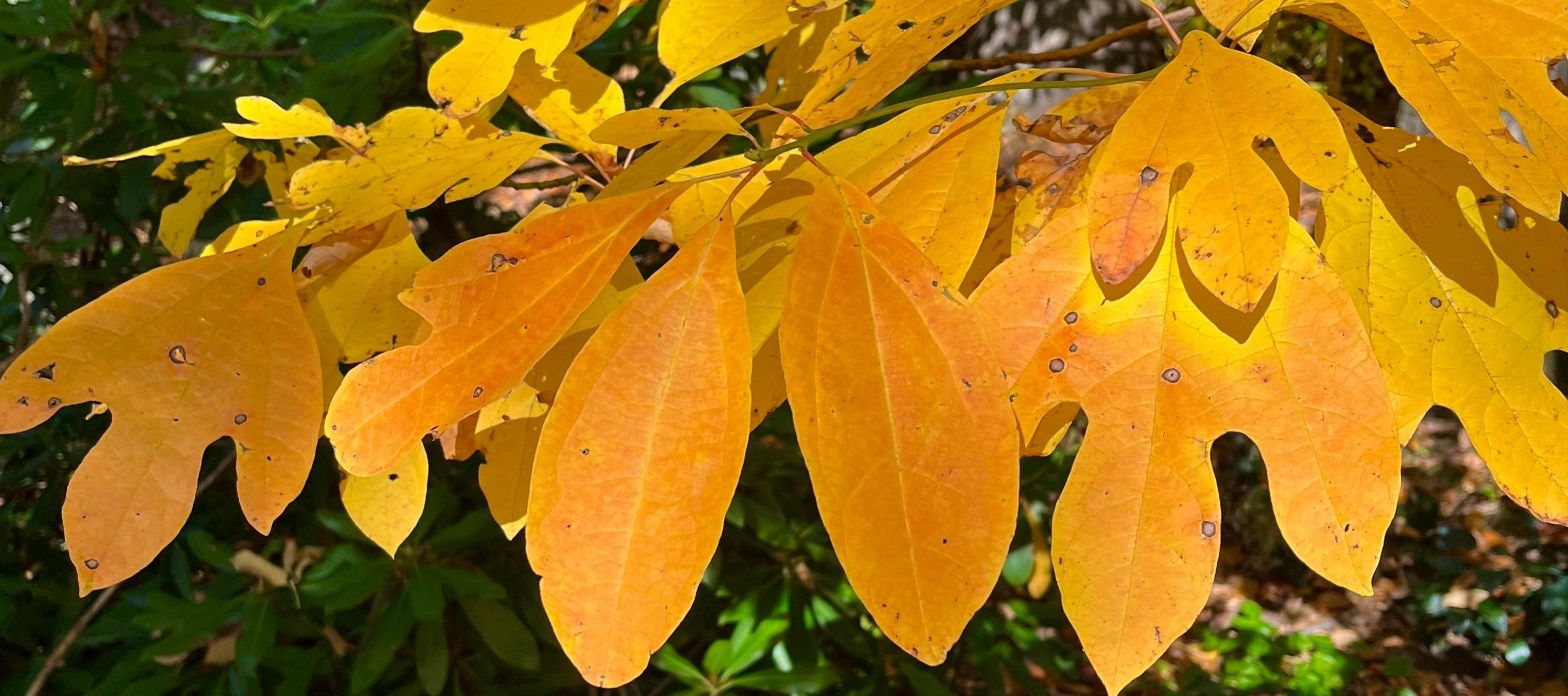
With some amazing Fall weather, we are still enjoying our time spent in the garden.
Osprey Population Declines
This is a fascinating article on Osprey population declines on the east coast. We have spent decades building them up to then significantly remove their primary food source. I am fortunate to spend a little time in Florida every year, and if you turn your head for a minute, an Osprey is nesting in your chimney or on your deck. However they are important apex predators in the ecosystem. I have included this article as it works as an analog for the circular nature of any ecosystem. When I talk about the importance of pollinators, native plants, birds, other insects and critters, they are all interdependent. You remove one and the ecosystem suffers. Without the Menhaden fish, Osprey populations decline. Without native plants, insects and pollinators can’t thrive and bird populations decline. After nearly 30 years working in gardens, I am continually learning and understanding that balance and moderation are important in all aspects of life.
Lantern Flies
I have mentioned the Lantern Fly before, and while they have been around this season, they were not really an issue in our area, Well, they’re definitely are becoming entrenched now! Check out this fact sheet from UMass to learn more about them and how to identify them at their different stages. As the insect spreads, we are still reporting sitings of the insect. The easiest way to find them, if they are in your area, is to find a Tree of Heaven (Ailanthus altissima). This invasive tree we have been dealing with for years, just happens to be its host plant back in Asia. It’s like going to a foreign country and finding a McDonalds in the airport. You will also find them on Maples and many plants in the Rose Family… think fruits.
There was Widespread Panic (sorry, had to do it) about these insects killing our hardwood and ornamental trees, but the real danger is to grapes and stone fruits. Since there can be so many Lantern Flies, they can leave a lot of excrement, called Honeydew, and apparently bees love it and it makes a special honey that has beneficial qualities. Another positive from Audubon is that our birds are finding a taste for them.
After all this, best practice is to squash them and destroy their egg cases, which are pictured in the UMass Fact Sheet. It is a nasty, invasive insect that can devastate crops and leave a big mess on every surface it drops its honeydew.
Leaf Color Explanation
Fall is here as evidenced by the slow changing of leaf color. I wrote about this a few years ago, but it is such a fascinating part of nature. The color change isn’t really a change, but a subtraction. When the weather cools, trees stop producing the green chlorophyll and pull the nutrients back into the twigs, branches, and roots to preserve these important nutrients. Without the green, colorful pigments from other chemicals are revealed. I am no botanist, but this article in Scientific American explains the process a little better.
When we talk about sustainable gardening, we discuss preservation of organic matter and nutrients. Green grass, green leaves are pure nitrogen and incredibly valuable in helping plants produce new growth. By preserving this nutrient trees are prepared for the huge energy expenditure in Spring to produce new growth.
Watering
Yep, here we are again talking about watering. As you can see in the latest Drought Monitor report from Thursday, most of the Northeast is out of the challenging drought, that we had again this summer. However, northern VT/NH, and all of ME are still struggling. We have had some decent rain in September and early October to help recharge our soils, but my assessment is that it is barely enough. As I drive around to clients, I see ponds, lakes, and reservoirs all well below optimal levels. Watering restrictions/bans are still in place. Things are not back to normal.
If you can, deeply soak some of your more important woody plants. Don’t go lightly 3 or 4 times this Fall, but once, deeply. Consider your evergreens that are susceptible to harsh winter conditions. Last Winter, I saw lots of Evergreens that weren’t properly prepared for Winter suffer and die. Rain barrels attached to downspouts are great. I have, over my years, installed large catch basins underground to infiltrate roof and surface water for use in irrigation. While not efficient for small properties, these are very efficient for larger properties in areas with water restrictions.
Or, we can work to redesign parts of our gardens that are so thirsty to be more adaptable to inconsistent and changing conditions.
If you want to subscribe for free to my more detailed newsletter, please go to the following link: The Barker, a newsletter for gardeners in New England.

