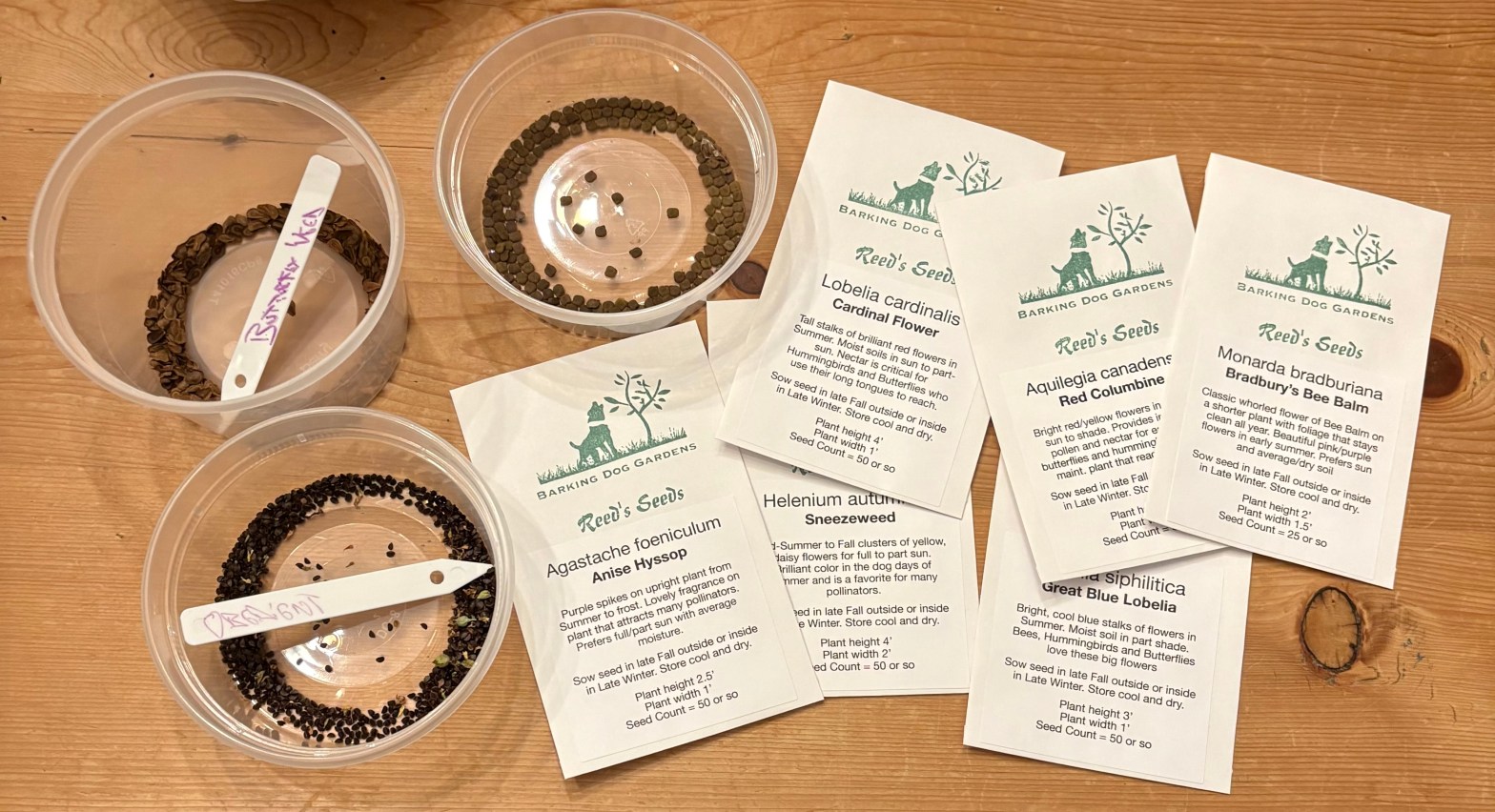
It’s that time of year to gather, clean and pack seed. I already packed many of the early season seeds a few months ago, but Fall is the time when so much becomes ready. This year, I will again be selling seeds of native flowering perennials that do well in mixed or native-only gardens. I collect these seeds from a number of gardens in which I work around Boston. I consider them Local Ecotype(LE), as they have been grown in these gardens for some time or been sourced from nurseries selling LE plants. This means that they are well adapted to our environment.
I sell these seeds and spend a lot of time talking about native plants because of the benefit they provide to the local ecosystem. See this piece I recently wrote on the benefits of native plants. One of the common pushbacks that I get when talking about native plants come from what people see in the wild. Overgrown, short-flowering, unkempt spaces that appear unattractive and inappropriate for a home garden. It can be true, that many native plants can become unmanageable if left alone, but my goal is to provide a sample of native flowering perennials that do well in home gardens, even mixed with non-native plants. Many of these will provide flower and interest that match many of the non-natives.
With seeds, it is a bit of a long game. If you sow late this Fall, you will have small pants next year, a few of which might have small flowers, and the following year they will start to look like real plants. By using seeds you have little investment, and you increase your skills and powers as an accomplished gardener. The important part to know about native seeds is that they have a range of germination requirements, and you need to know the specific needs of each plant. Not a big deal, and nurseries like Prairie Moon have all this information. In general, most native flowering perennials need to cold-stratify. This means they need a period of cold before they will germinate. Essentially you need to mimic nature, which is why we often sow seed in Early Winter so they will germinate in Spring as the soil warms. This keeps seeds that mature late in the year from germinating and then getting killed by the cold before they can establish. If you want to start seeds inside over the Winter, you can mimic this cold stratification in your fridge, and start growing in Late Winter. Here is a link to understand germination requirements at Prairie Moon. They are a great resource.
As an example, click this link for Asclepias tuberosa (Butterfly Weed). If you scroll down the page, you will see the Details and a germination code of C(30). If you put your cursor over the link, it reveals the germination requirements for the seed. This plant requires a minimum of 30 days cold stratification to break dormancy. Some plants require more. So, If you follow their directions and put in your fridge for 30 days, they will be ready to be sown and germinate.
No need to overthink this, if you prepare the area you plan to sow your seeds before the ground freezes, then you can go out before a snow storm in November or December and sow them in the bed, they will be ready to germinate as Spring arrives. The later you go, the less chance that birds and critters will find and eat the seed. Over the years, the seeds your plants produce will be important food for others that live in the ecosystem.
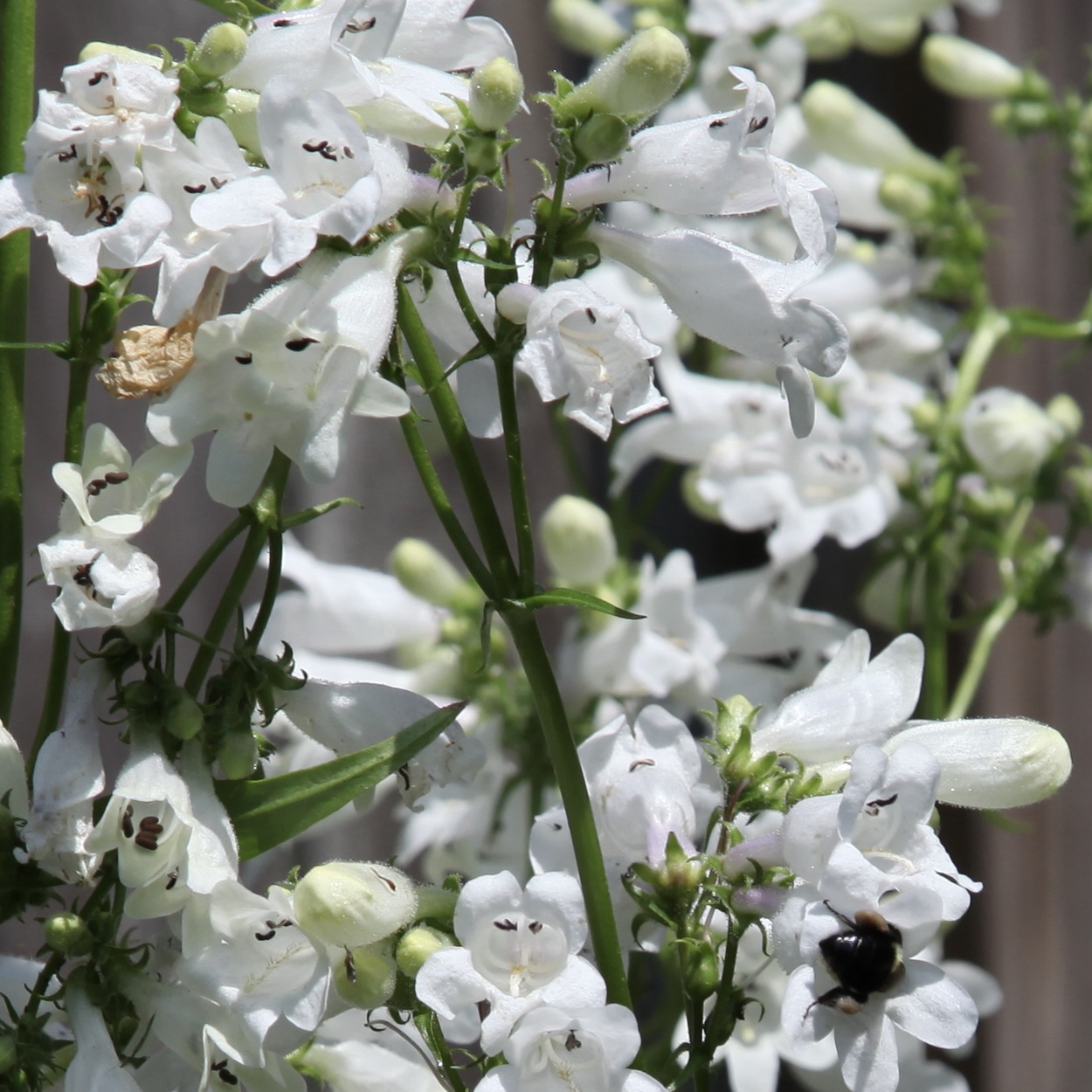
Here is a highlight of some of my favorite seeds that will work well in your garden, add beauty, and attract all sorts of pollinators. To see the full list of seeds, go to my Seeds Page:
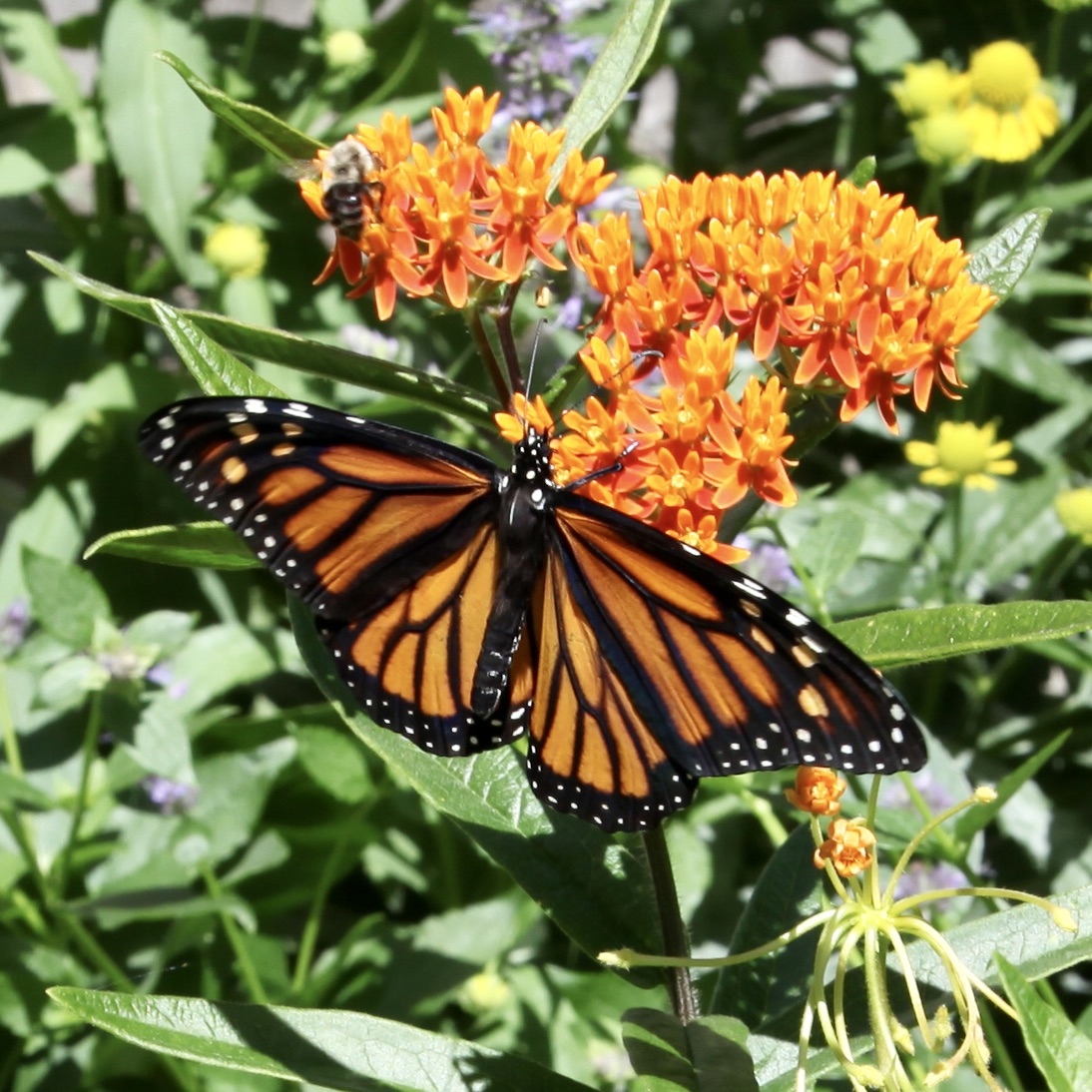
- Butterfly Weed (Asclepias tuberosa) – Brillant Orange in late Spring well into summer, goes longer with a little bit of deadheading. Huge nectar source that draws everyone in for a feast, especially butterflies as it is a Milkweed.
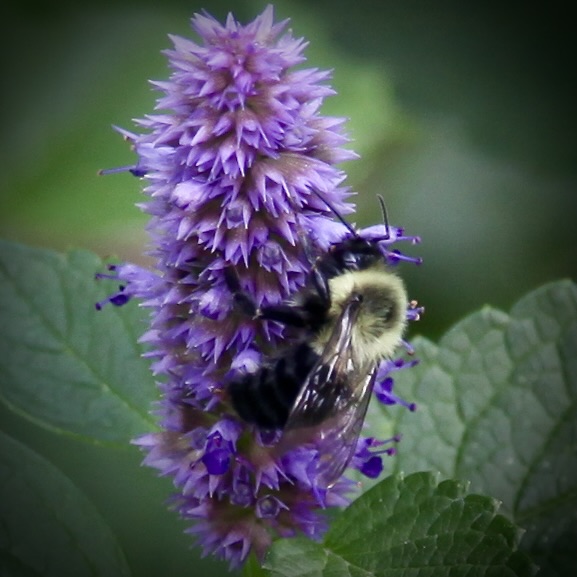
- Anise Hyssop (Agastache foeniculum) – A real favorite for medium height with fluffy, purple, lavender like flowers from Summer to Fall. Leaves make a great anise/mint tea.
- Downy Wood Mint (Blephilia ciliata) – A lesser known but critical plant for bee health. Purple spikes in Spring to early Summer and a ground cover mat of foliage.
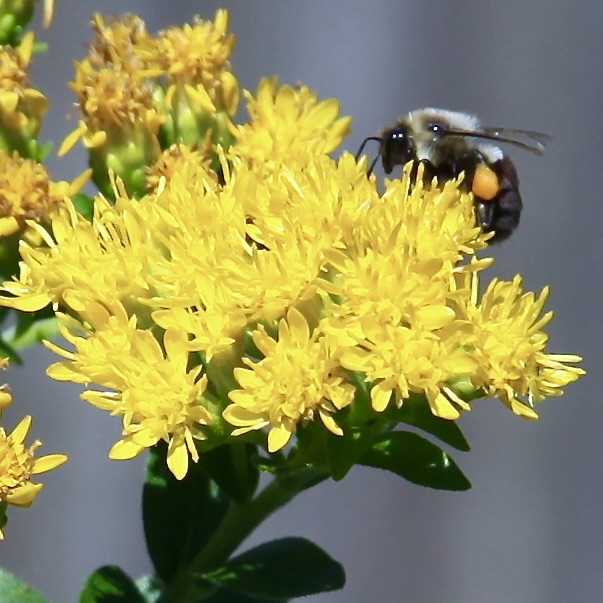
- Sneezeweed (Helenium autumnale) – It is neither a weed, nor does it make you sneeze. Its pollen was used for years in a snuff product. Tall, yellow, daisy-like flowers from late Summer to Fall. Bright color that is present when Asters are in flower.
- Great Blue Lobelia (Lobelia siphilitica) – If you have moist areas in your garden, blue Lobelia is fantastic blue color for mid-Summer that brings in lots of visitors. Components were once used in the treatment of Syphilis, hence the species name.
- Cardinal Flower (Lobelia cardinalis) – Red cousin to the blue Lobelia. Likes the same conditions but typically a taller, cardinal red flower stalk. I have several gardens where these are growing close to each other with the hope of creating a rare purple flowering Lobelia. Since they have slightly different flower structures, they are pollinated by different pollinators. Maybe next season, I will be out there with a small paint brush doing my own pollinating.
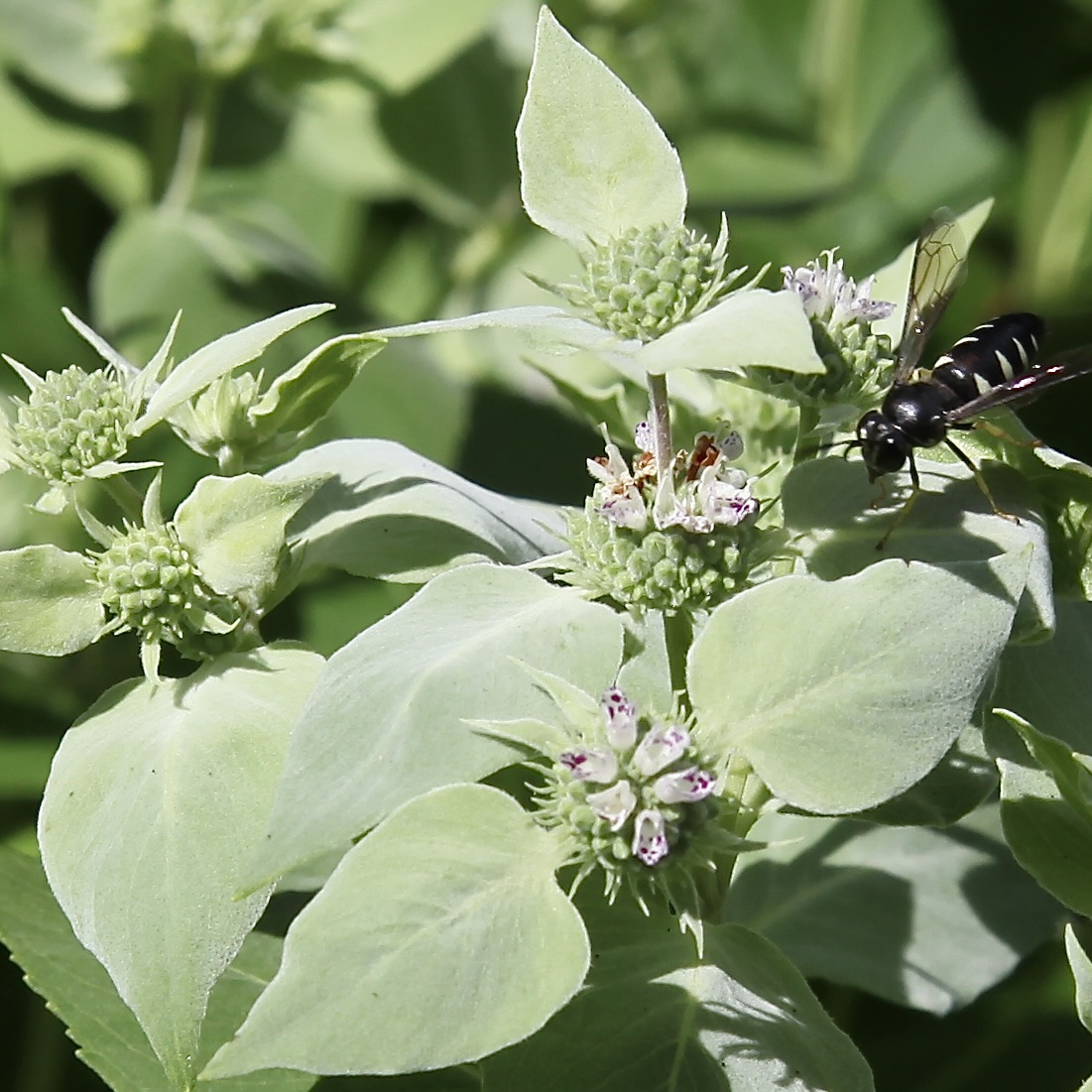
- Clustered Mountain Mint (Pynanthemum muticum) – I have several Mountain Mints with different sizes and looks. All are incredibly valuable and are party plants for everyone to get nectar and pollen. This one was the 2025 Perennial Plant Association Plant of the Year. Not just for native plants, but for all plants. Beautiful plant with its icy green upper leaves and long flowering. Makes great tea!
- Golden Alexanders (Zizia aurea) – Classic early yellow flower before much else is flowering. Critical early food for early insects. Very cool flower in the carrot family; plant is critical for Swallowtail Butterflies and others.
This is just a selection. Go to my seed page to see all that I have to offer. Starting to add these plants to your garden is critical for the ecosystem and you may not miss some of the traditional non-native plants you had before. You can add them to an existing bed, or carve out a new bed and start building a native flowering garden. Reach out if you want suggestions or need further help. Helping people to create new native plant beds has become a big part of my recent work.
If you are already doing this then keep adding and look to grasses and woody plants. Please don’t be intimidated or listen to people that make you feel guilty that you haven’t changed over your whole garden. I just read an article by someone who had no tolerance for anything but perfect adherence to her idea of how a garden should be planted. She couldn’t sell fruit to a smoothie bar. This kind of table-pounding and guilt assignment does not work. I prefer to help people see the beauty and value in plants and next thing they know they are native plant experts and telling their neighbors how to help them support the ecosystem. I’m OK if you want to call me the Puppet Master.
Come and buy some of my magic seeds…
If you want to subscribe for free to my more detailed newsletter, please go to the following link: The Barker, a newsletter for gardeners in New England.

