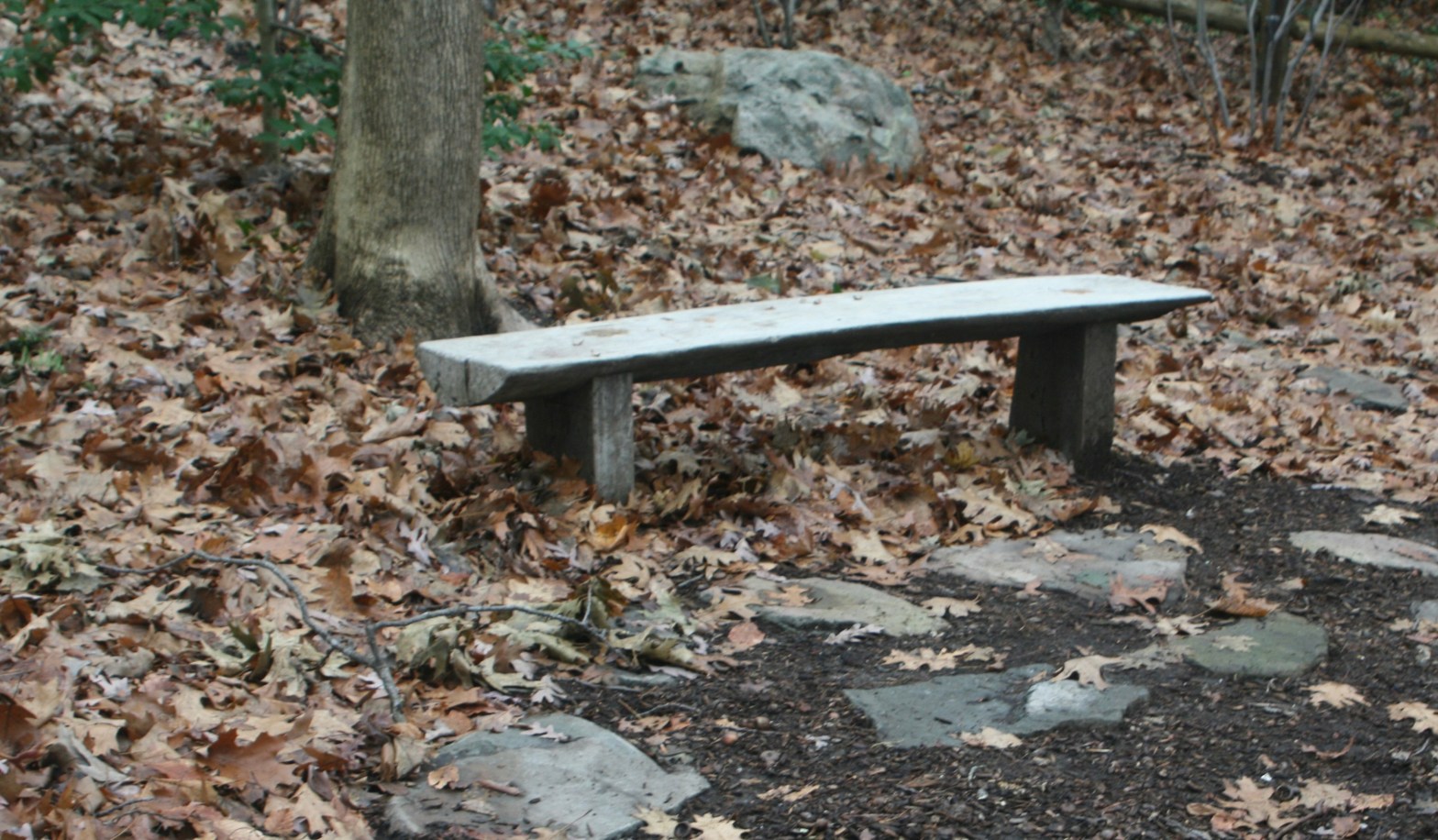
If you have been reading my newsletter for a while, you know that I like to get on my soap box in the Spring when I have a discussion about mulch. I feel like I need a Fall soap box topic.
How about leaves?
A topic that I have covered many times before. You also know from reading my newsletter that I try not to preach, and that I definitely do not shame or belittle people who do not fully embrace what I discuss. I hope to educate through this newsletter, my classes and talks, and the consultations that I provide in your gardens. My goal is to provide information so that you may make your own educated decisions.
We are going to talk about leaves, and the ‘Leave the Leaves’ concept.
Why is it important
- Leaving leaves, untouched where they fall, creates the environment for many species to move in and over-winter. This starts happening early in the Fall, so there really is no good time to rake out or shred them to return to the garden without impacting the population.
- Leaves are critical organic matter that has come from your soil, and if removed will slowly deplete the resources in your soil and impact the heath of plants.
In the perfect world, we live on multi-acre properties with mature trees, meadows, and spaces filled with shrubs and perennials and native grasses. We do some cutting back in the spring and maybe bush hog some paths around the property, but leave everything alone. Not removing organic materials or adding them, but using what we have in a balanced and sustainable ecosystem. Sounds nice, but it just isn’t reality for most of the gardens that you keep.
I have just gotten through a number of Fall classes and presentations where this was one of the key topics, and more and more people are trying to incorporate this idea into practice. No matter how small your garden, there is always a space under a tree or group of shrubs where you can leave the leaves. If we can all work to find some spaces in our gardens where we can leave the leaves as they fall, then we are improving the ecosystem.
If you have native gardens, and so many of you are now incorporating native plants, then this is an especially important area to leave the leaves alone. Leave the plants alone, let leaves settle in the beds as this is an area where pollinators may be most concentrated in your gardens. However most of you have gardens with a combination of native and traditional plantings. Maybe you have beds filled with small, early bulbs or perennials. It is OK to take some leaves out of the front of beds, shred them or mulch them under your lawnmower and return to the bed. Yes, this may eliminate some insects that that were in this part of the bed, but with the leaf mulch in place, then you won’t need to disturb in the Spring. We call this the ‘Garden Mullet’. Party in the back but business in the front. The important part is that you are leaving sections untouched. If you can leave the whole bed untouched, then even better.
I have never understood why contractors bag grass clippings, or blow off leaves before mowing. While turf lawns are always a topic of discussion, the reality is that most people have some lawn. While it is decreasing, we still have kids, dogs and like something that is relatively easy to keep tick-free. However, we should always be mulching in grass clippings, which are pure nitrogen as fertilizer, and we should mulch leaves into the lawn as best we can because they break down by Spring and add organic matter right back to the soil without killing the grass.
The net of this discussion is that we need to stop the contractor driven need to clear our gardens of every bit of organic matter that isn’t nailed down in the Fall and the Spring. We need to adjust our aesthetic to accept gardens that are kept more naturally and provide nutrients and cover. Honestly, this costs less and involves less work. Of course, there is work we can do to intentionally manage large piles that form in the wind, to keep bed edges clean so it doesn’t look like we are neglecting our gardens. Extra leaves that you don’t want to pile into your gardens can be put behind the garage, mulched and used in the spring. Unlike heavy mulch, these piles of leaves will settle down in the rain and snow of fall and winter and won’t bury the crowns of plants. If the wind is piling too many leaves around some plants, you can just redistribute in the same bed, without causing any disruption.
When Spring comes around, there is little work to be done, maybe cleaning up around the base of some plants or breaking up some bigger piles. If you really need to move things around, wait until the weather warms with nights in the 50ºs and many of the insects have moved out.
If I can get half of you to try and find at least 1,000sq ft of new garden that you can leave alone, then that would be almost 15 acres of new land that would be habitat for millions for bees, caterpillars, lightening bugs and everything else that needs the leaf litter to survive. Please try and make incremental changes. There is no perfection, just improvement. The reward is to see who visits your garden in subsequent years. It can take a season or two for populations to build.
To learn more and dig deeper, following are links that take you to two organizations that are authorities on the topic. These links go directly to their pages on ‘Leave the Leaves’ with lots of further links and resources:
If you want to subscribe for free to my more detailed newsletter, please go to the following link: The Barker, a newsletter for gardeners in New England.

