Sometimes I just need to be slapped in the face, metaphorically that is. I love what I do and sometimes get so excited and into the weeds with clients and teaching that it can over-shadow some basic gardening principles that can help everyone. My goal is always to help people become better gardeners, and the more time I spend with people, they come to realize that to be a good gardener requires a lot of knowledge.
BUT, if you can focus on three critical, but simple, elements, your gardens and plants will be much happier and healthier:
Soil – Light – Water
I have written about this before and called it the Horticultural Trilogy. The idea is that if a plant’s needs are properly met with regard to the soil in which it is planted, the amount of light it receives, and the level of moisture, it will thrive. If two of the three are met, it will often do OK. Any less than two being met tends to lead to stress, disease and poor performance, and ultimately death.
Simple. Right? … No!
Light
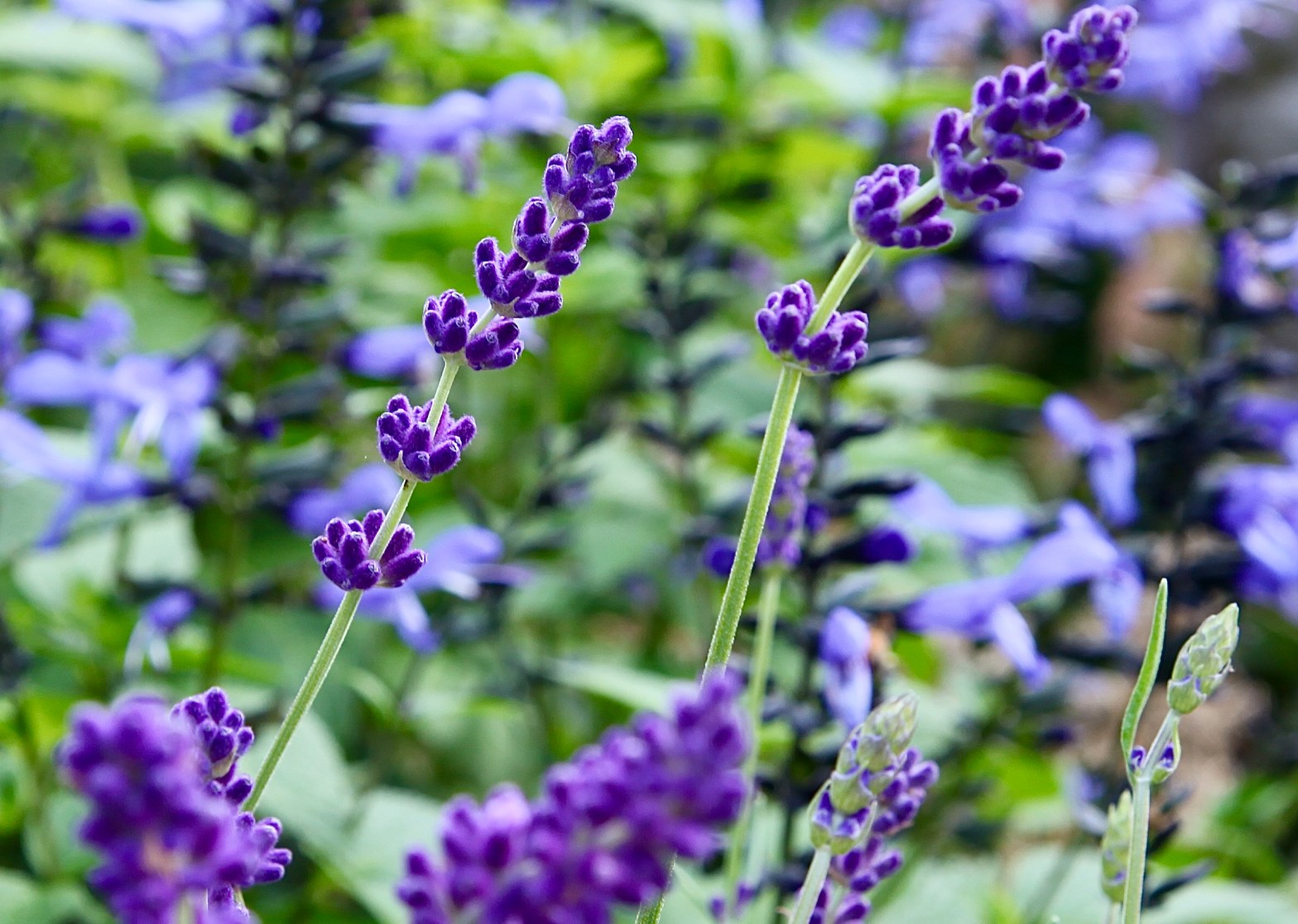
Let’s start with the easier of the three, light. This is really tricky, because the sun shifts in one direction from April – June and then the other direction from July-September. Full sun, means 6-8+ hours of sun per day, and one part of your garden might get barely 6 hours in May but only 4 hours in July. This will make a big difference for plants that need the intense sun to grow strong and flower well (Butterfly Weed, Globe Thistle, Lavender, Roses, Sneezeweed, most Ornamental Grasses). We all need to be brutally honest if we have the right light for certain plants to succeed. If you put most Roses in 4 hours of sun and then a poor soil with limited organic matter, they will not thrive and be susceptible to disease and insects.
There are so many plants that have a lot of flexibility with sun to part sun, so spend some time throughout the year to determine how much sun your beds get and if you can grow plants that require full sun or if you need to shift to plants that can tolerate limited shade. I love the SunSeeker app. In the 3D view, I can stand in a location and track the sun at different times of the year to see the exposure of a specific bed or location in a bed. Being honest about the amount of light your plants get can make a big difference in their success. That also means that plants that like part sun, will not do well with only filtered shade.
Soil
I have written often before about soil testing in your garden beds. It is inexpensive and one of the most important things you can do to ensure the success of your gardens, whether ornamental or vegetable. There is a lot to learn from soil testing, but to simplify, two of the most important measurements are pH and Organic Matter.
pH is a measurement of the acidity or alkalinity your soil. Our natural soils in New England tend to be pretty acid, and our native plants are adapted to this condition, and many non-native plants that do well here also tend to like acid soil (Rhododendrons and Azaleas). They like the acid soil because they are best able to take up the nutrients they need in these conditions. A plant’s ability to take up nutrients is largely based upon the pH in the soil, and if the pH doesn’t fit its needs, then all the fertilizer in the world won’t work. With Hydrangeas, it is Aluminum ions in the soil that are only available in acid conditions to be taken up and turn the red flowers to blue. Most vegetables tend to need more neutral pH, so to be successful with veggies, you will often have to add lime to your gardens to get a more neutral pH to allow the plants to take up the available nutrients and produce.
This gets to the second most important measurement, Organic Matter. When a plant needs a ‘rich’ soil, it means that it likes lots of organic matter in the soil. Vegetables typically need a rich, organic soil, because all the organic matter goes to create the vegetables, which makes you think about the quality of the organic matter you are adding to your vegetable garden. Is it coming from a good source, or maybe from a source that might contain chemicals used in previous applications? Some plants need organic matter to produce their ‘fruits’ , while other are more accustomed to rich and moist environments like wetland species of plants.
However, many plants have evolved to tolerate poor soils and won’t do well in a soil with lots of organic matter (Lavender, most Ornamental Grasses, many Viburnums, New Jersey Tea, Etc). When these plants are put in rich soil, they have a tendency of rotting or having poor or floppy growth. When looking at perennials, you may notice that many get big and floppy in rich garden soils and need support. Some plants just like abuse, and you need to know which ones. I have gone into great detail on soil testing in the past and am always happy to talk with people and help them get started with understanding their soils. For a start, go to the UMass Soil Lab.
Water
I went into great detail on watering in the last newsletter, and proper watering is critical. But what does proper watering mean. For some plants sitting in moist soil or having their roots in water (wet feet) is heaven but hell for others. Even within the same Genus of plants there is great variation. Swamp Milkweed (Asclepius incarnata) love it wet, while Butterfly Weed (Asclepius tuberosa) like it dry. Hydrangea macrophylla (Common blue/pink Hydrangea) like it moist and rich, while Hydrangea paniculata (Summer flowering big white Hydrangeas) like it dry and thin.
Many plants have a lot of flexibility but tend to be more in the middle and away from the extremes. How water is delivered can also be just as important. If you grow Roses, you know that they need a lot of water but hate having it sprinkled from above, as it leads to disease. The point of this is to get to know your plants water needs and better meet them.
Summary
So I know I got into some details, but it is important to know the needs of your plants in these three areas.
When I am designing gardens, I also make sure to put plants with similar needs into the same beds. If I am using more natural soils and not looking to amend or change them, then I make sure to use plants that will thrive in lower pH soils. If there won’t be any supplemental irrigation, then that is another consideration for when they establish to be able to survive in that environment. And I am always looking at my app to determine the level of light.
Put plants with the same needs in the same beds with the same conditions, and if you can work to meet all three requirements (soil, water, and light) for your plants, then they will thrive and present as their best. If you know of some misplaced plants in your garden, then get out there this month and make some changes. Your plants will thank you, and you will enjoy them more.
Maybe take some photos of your garden, especially areas that might not be performing well. Over the winter, do a little research into the plants you have in those beds and see how similar they are in the needs and tally up what needs are being met for each plant. Do some soil testing in different beds. Come Spring, you might want to do some transplanting and additions to various beds.
If you want to subscribe for free to my more detailed newsletter, please go to the following link: The Barker, a newsletter for gardeners in New England.

