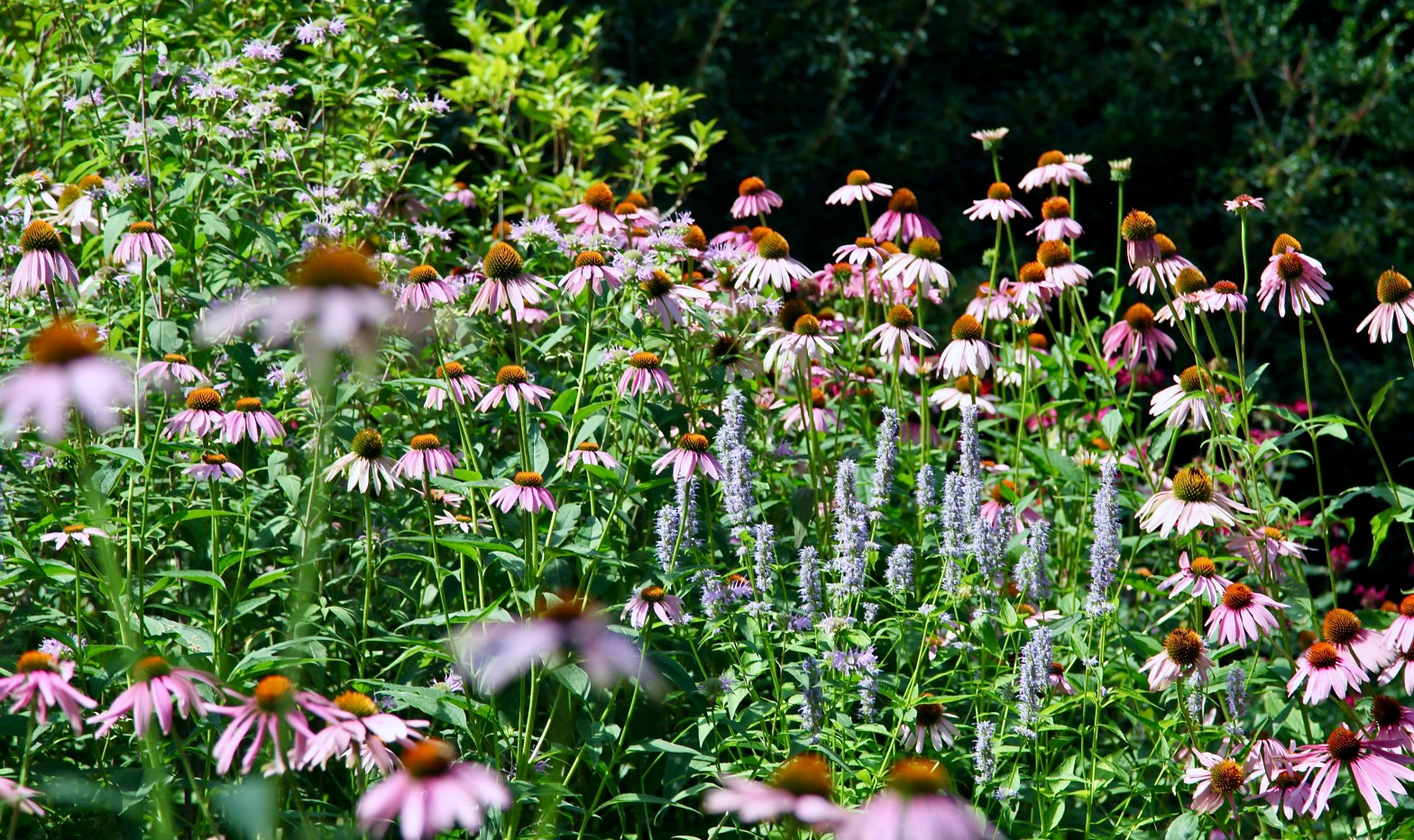
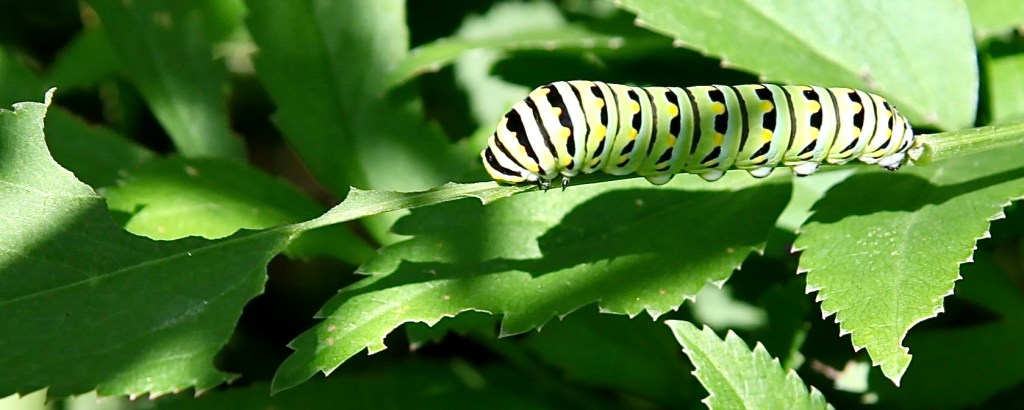
The caterpillar above will soon be a Black Swallowtail Butterfly. They lay eggs, grow and eat exclusively on plants in the Carrot Family, and you will often see them on your Parsley or Dill plants, eating away. This one is munching on some Golden Alexanders (Zizia aurea.) It will shortly pupate and be a butterfly in a few weeks. They won’t kill your plants, and will be flying away soon. This is why we need to be careful about pulling out pesticides, when we see plants being munched on, as it might be a friend!
Sustainable Landscape Handbook
Several years ago, Winchester received a grant to create the Winchester Sustainable Landscape Handbook. It is an incredible resource for any gardener. You can pick and choose from some excellent information or use it as a guide to completely redesign/build your garden. Concord created one a number of years that has some information more relevant to less urban/suburban spaces. Please download one of them and I am sure you can implement some useful concepts, especially if you are shifting towards a more native garden.
Compost Challenges
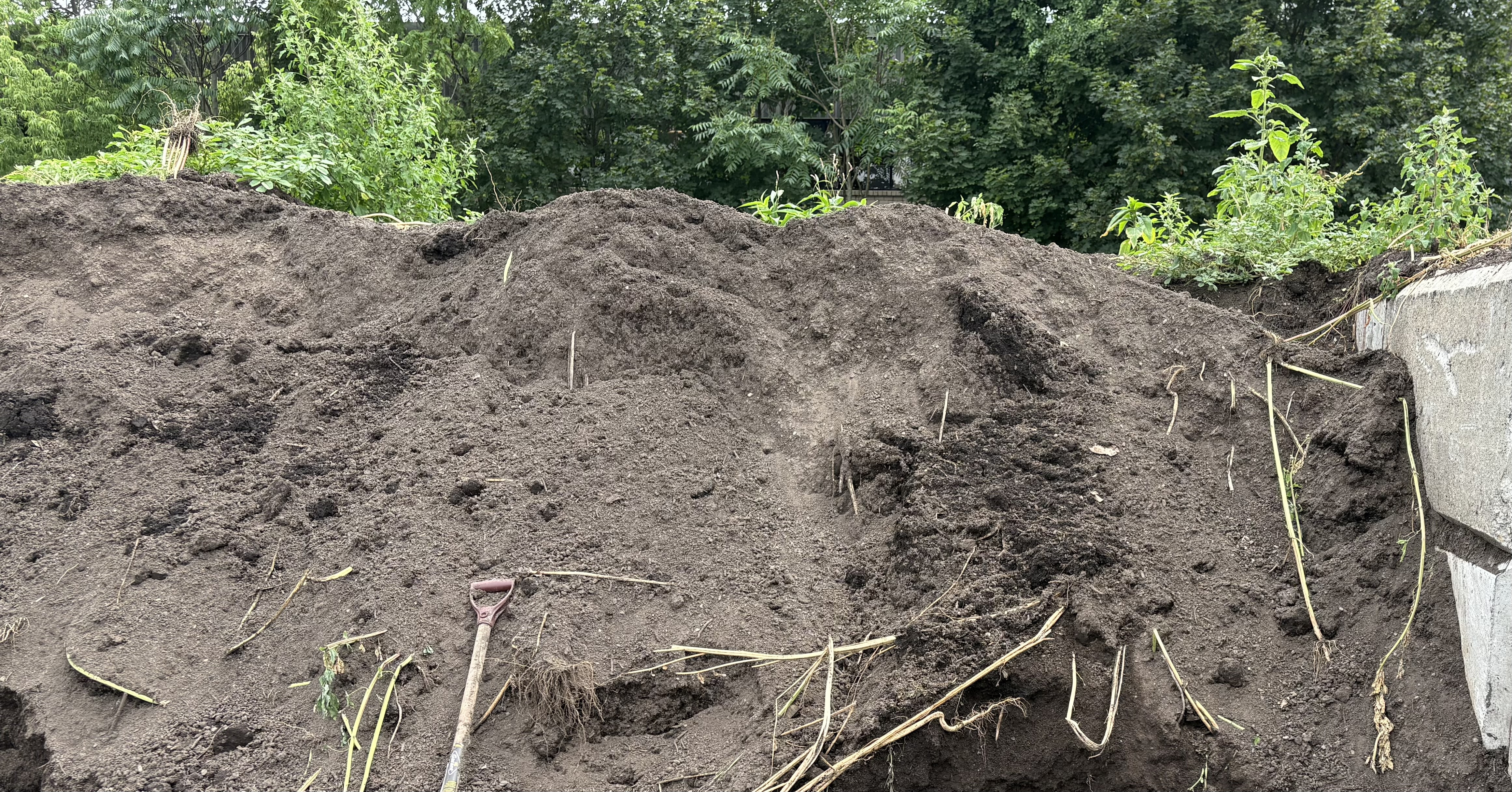
This is the compost pile at our local transfer station. And while I applaud the effort, if you’re going to do it, you need to do it right. When they started doing this years ago, it was managed by a professional company, now it is handled locally. Unfortunately, it must not get tossed enough or get to the requisite 130º minimum to break down material and kill weed seeds. This is critical when you think about all the material that gets left in the recycling area. This pile is covered in weeds, and you can see them mixed is as it gets tossed and moved to the pick-up area. You are bringing all of this to your garden not knowing what weeds may be present, let alone residual chemicals.
I asked, again, recently if they test the compost for heavy metals, and they still don’t. It is also important to know other important measures from testing. If you are growing food, you need to know the quality of the soil and this can be dangerous without knowing test results. In New England, anyone growing food needs to test the soil for heavy metals. No matter where you are, reputable suppliers will have soil tests for their bulk products. I have been to too many gardens and heard stories of what happened after adding bulk compost from situations like this. New weeds, poor plant performance and even plant death.
If you need compost, buy quality bagged products or bulk from reputable suppliers.
Bringing Back Fireflies (Lightening Bugs)
The National Wildlife Foundation has an excellent blog post on supporting fireflies. We have lost significant populations of Fireflies and there are some simple things you can do to support them. Leaving leaves in your garden beds over Winter and eliminating pesticides in your garden are two important ways to help. As we get to the Fall, I will be talking more about how to leave the leaves.
Please stop watering in the middle of the day
I am going to give people the benefit of the doubt that lawn irrigation systems coming on in the middle of the day are from clock resets due to power outages. Watering lawns with sprinklers in the middle of the day is an incredible waste of water and money. On a hot, sunny day, you will probably lose half of the water to evaporation, meaning it isn’t getting to the roots. It also can act as a magnifying glass and burn leaves in the hot sun. Preferably, you are watering early in the morning and completing the cycle before 9am. The problem with irrigating in the evening, especially spray or overhead watering, is the water doesn’t dry out overnight and can cause fungal and other health issues on plants and lawn.
Monarch Watch to track butterfly migration
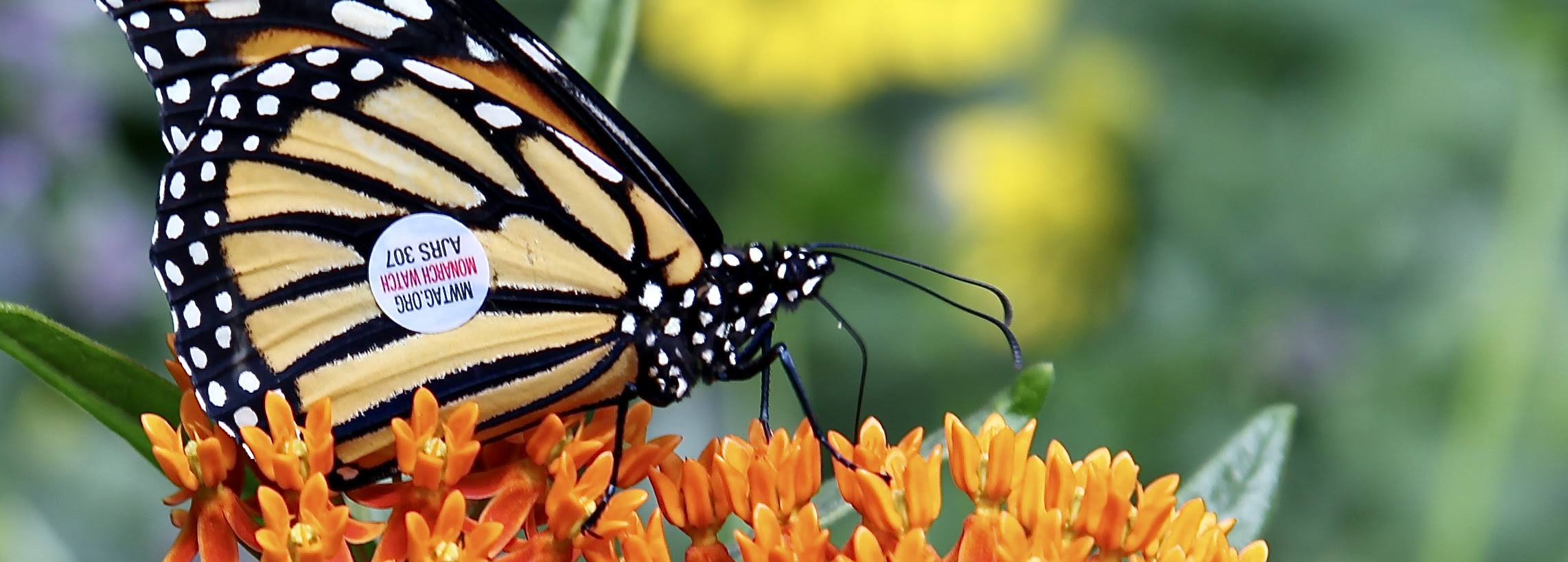
Last Summer I found this Monarch and wondered what was on its wing. Monarch Watch tracks the migration of Monarch Butterflies from Canada and North America down to Central Mexico through the use of tags placed underneath their wings. Unfortunately, this lady did not make it to Mexico, but she could have wintered elsewhere. This could be a fun project for kids to capture, tag and release Butterflies. Monarch watch explains how to do this without harming them, and next year you can see if they made it.
If you want to subscribe for free to my more detailed newsletter, please go to the following link: The Barker, a newsletter for gardeners in New England.
 Barking Dog Gardens - Gardening in New England