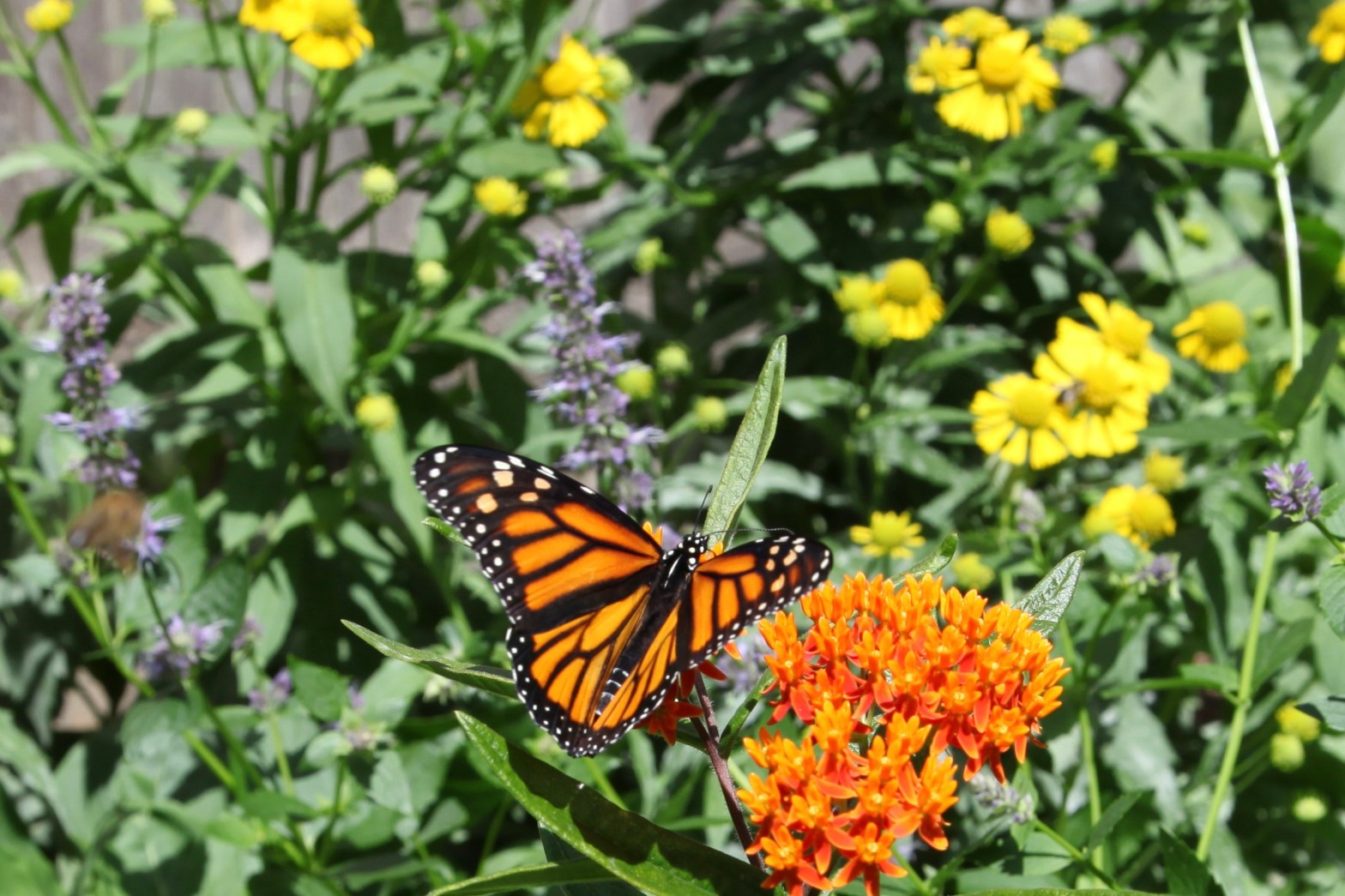
As we are in the Summer doldrums and find it hard to motivate in this heat, now is a great time to think about the future in your garden. Almost every client I meet with in recent seasons wants to add native plants to their garden, whether it means adding a few to their existing garden or creating new beds just to focus on native plants.
There are so many wonderful perennial, native plants that are as beautiful as most of the perennials we traditionally like to grow. This time of year is great for planning what you might want to do in the fall. Editing an existing bed or creating a new garden can be planned now and executed in Fall.
So, how do you go about creating a native plant garden? Purchasing plants is one, and recent years have seen tremendous growth in native plant nurseries that I have covered in previous posts. However, these plants readily produce seeds, and using seeds can be a cost-effective way to create these gardens or supplement plants that have been purchased. These seeds are easy to grow and produce plants quickly that may flower in the first year or definitely the second year.
To this end, I am going to be selling native, local ecotype perennial seeds this Fall from plants grown in local gardens, at a reasonable price to cover my costs. There are no wild-collected seeds, just from private gardens for which I have been given permission to collect responsibly. Most of the following plants are native to our area. A few are not native to eastern MA, but still provide great benefit to the ecosystem, and they are marked with an *. Go to BONAP to search by Genus to see native range of plants. The following list is what I am planning to offer this fall, but may add new perennials as the season progresses and plants develop in gardens.
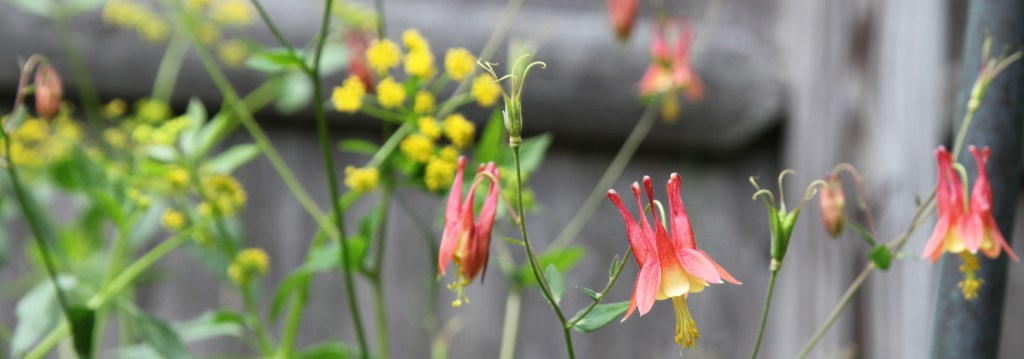
Red Columbine – Aquilegia canadensis
Sundial Lupine – Lupinus perennis
Downy Wood Mint – Blephilia ciliata
Golden Alexanders – Zizia aurea
* Bradbury’s Bee Balm – Monarda bradburiana
Wild Bergamot – Monarda fistulosa
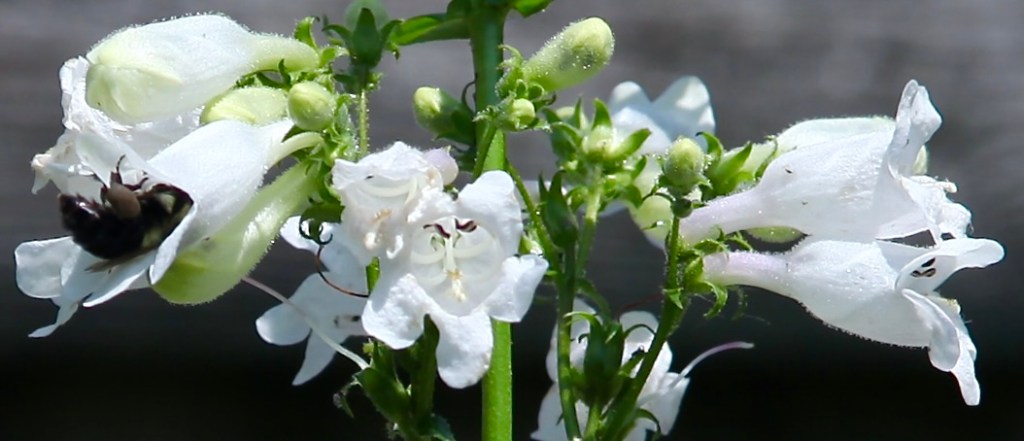
Hairy Beardtongue – Penstemon hirsutus
Foxglove Beardtongue – Penstemon digitalis
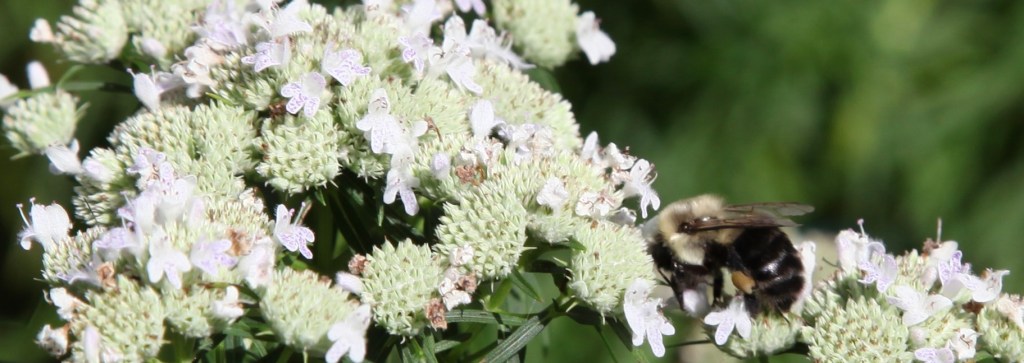
Hairy Mountain Mint – Pynanthemum v. pilosum
Slender Mountain Mint – Pycnanthemum tenuifolium
Butterflyweed – Asclepias tuberosa
* Anise Hyssop – Agastache foeniculum
Cardinal Flower – Lobelia cardinalis
Great Blue Lobelia – Lobelia siphilitica
Sneezeweed – Helenium autumnale
Blue Vervain – Verbena hastata
Obedient Plant – Physostegia virginiana
Stiff Goldenrod – Oligoneuron rigidum
* Blue Mist Flower – Conoclinium coelestinum
Wild Senna – Senna hebecarpa
* Royal Catchfly – Silene regia
Sowing these seeds is very easy in late Fall. We need to replicate their natural process, so they are placed on soil in the Fall, so they can cold stratify over the Winter. While some may flower in the first year, most will take a year to develop. This is a great strategy if you already have plants in a garden and you let these grow in to replace them as you move the existing plants to new spaces.
As I collect the seeds and place them on my website, I will provide more information to help you with this process. If you must have a seed offering and don’t want to risk me running out, please email me or add in comments and I will put you on the list for whatever seeds you would like.
Any selection of these plants will quickly help you to fall in love with native perennials, and they do so much more than add color to your garden. I hope to add to this list later this summer and in future years. Almost all of these flowers have been highlighted on my Instagram page that provides intimate photos of wonderful plants.
More to come.
If you want to subscribe for free to my more detailed newsletter, please go to the following link: The Barker, a newsletter for gardeners in New England.
 Barking Dog Gardens - Gardening in New England